

Maintaining an efficient heating system is crucial for the comfort and operational efficiency of commercial buildings. Regular heating maintenance not only ensures a comfortable environment for occupants but also extends the lifespan of the equipment and reduces energy costs. As a leading provider of commercial gas and heating services in Liverpool, Comcare Heating Solutions offers expert installation, maintenance, and repair services to keep your systems running optimally.
Essential Commercial Heating Maintenance Tips for Buildings
Schedule Regular Professional Inspections
Regular inspections by skilled technicians can detect potential problems before they develop into expensive repairs. Regular maintenance ensures that all heating and air conditioning components function correctly and efficiently. Air conditioning systems are essential for maintaining indoor comfort and compliance, particularly in commercial environments. Comcare Heating Solutions provides comprehensive service and maintenance plans tailored to your specific needs.
Replace or Clean Air Filters Frequently
Clogged air filters can impede airflow, forcing the system to work harder and use more energy. Regularly replacing or cleaning air filters improves air quality and enhances system efficiency. It’s advisable to check filters monthly and replace them as needed.
Inspect and Seal Ductwork
Poorly insulated or leaky ducts can cause substantial heat loss, diminishing system efficiency and raising energy expenses.. Regularly inspect ductwork for leaks and ensure proper sealing and insulation to maintain optimal performance.
Test Thermostat Calibration
An inaccurately calibrated thermostat can cause inconsistent temperatures and unnecessary energy usage. Regular testing and calibration of thermostats ensure that your heating system maintains the desired temperature efficiently. Upgrading to programmable or smart thermostats can further enhance energy savings.
Clean Heating System Components
Over time, components such as burners, heat exchangers, and coils accumulate dirt and debris, hindering performance. Regular cleaning of these parts ensures efficient operation and prolongs the system’s lifespan. Professional maintenance services can effectively handle these tasks.
Monitor Energy Consumption
Unexpected increases in energy bills can indicate inefficiencies within the heating system. Regular monitoring of energy consumption helps in early detection of issues, allowing for prompt corrective measures.
Ensure Adequate Ventilation
Proper ventilation prevents the buildup of harmful gases and maintains air quality. Regular checks and maintenance of ventilation systems are essential for the safety and comfort of building occupants.
Plan for Seasonal Maintenance
Preparing your heating system for seasonal changes ensures reliable performance during peak demand periods. Scheduling maintenance before the onset of colder months can prevent unexpected breakdowns and ensure optimal efficiency.
Implementing these heating maintenance tips can lead to significant energy savings, enhanced system reliability, and a comfortable environment for occupants. For professional assistance and tailored maintenance plans, Comcare Heating Solutions is your trusted partner in Liverpool, offering expert services to keep your commercial heating systems in top condition.
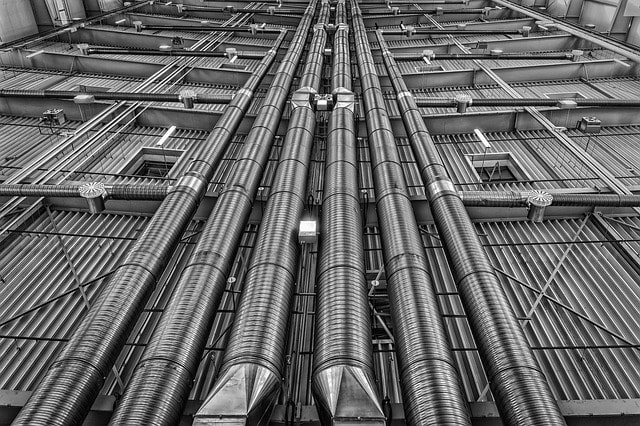
Understanding Commercial Heating Systems
Commercial heating systems are engineered to deliver warmth and comfort to expansive commercial spaces, such as offices, retail outlets, restaurants, and various industrial facilities. These systems are typically more complex and powerful than residential heating systems, as they need to heat larger areas and cater to different heating or cooling requirements for various offices or departments. Commercial heating systems can be broadly classified into two main types: radiant and warm air heating systems.
Warm air heating systems use a fan to draw air across a heat exchanger, which heats the air and distributes it throughout the space. The heat source for warm air heating can be an electric element, hot water, or an oil or gas-fired burner. On the other hand, radiant heating systems emit heat energy from hot surfaces, such as radiant tubes or radiant plaque heaters, which heat people and objects directly, without warming the air.
Understanding the specific needs of your commercial property and the type of heating system that best suits those needs is crucial for ensuring efficient and effective heating. Whether you opt for warm air heating or radiant heating, regular maintenance and professional inspections are key to keeping your system running smoothly.
Importance of Regular Maintenance
Routine maintenance is essential to maintain the peak performance and extend the lifespan of commercial heating systems. Proper maintenance can help improve energy efficiency, reduce costs, and prevent breakdowns. It is essential to have a maintenance schedule in place, which should include tasks such as cleaning and inspecting the system, checking for leaks, and replacing worn-out parts.
Regular maintenance can also help identify potential issues before they become major problems, reducing the risk of costly repairs and downtime. Additionally, a well-maintained commercial heating system can contribute significantly to business success, as it provides a comfortable and healthy environment for employees and customers. By investing in regular maintenance, businesses can ensure their heating systems operate at peak efficiency, providing reliable warmth and comfort throughout the year.
What is the most efficient commercial heating system?
Geothermal heating and cooling systems provide efficient cooling and heating year-round for various types of commercial premises, including storage, manufacturing, and office spaces. They are environmentally friendly. Air rotation heating processes cooler air from below the heater to maintain consistent temperatures. Additionally, destratification heating helps eliminate stratified layers of heat, ensuring uniform temperature distribution. It is important to consider other heating systems beyond traditional boilers, as professional advice can help select the most suitable and economically viable options for different commercial premises.
What is the cheapest way to heat a commercial building?
Commercial buildings can be heated with a gas furnace for cheaper. Heat pumps, particularly Air and Ground Source Heat Pumps, offer efficient and sustainable heating solutions for both domestic and commercial applications, significantly reducing energy costs. Gas heaters provide energy saving and comfort at low cost. Regular maintenance ensures the system operates at optimum performance.
What is commercial heating?
Commercial heating by hot water is commonly used for large buildings or older buildings that do not contain insulation using boilers rather than furnaces. Heat pumps, including Air and Ground Source Heat Pumps, provide efficient heating and cooling solutions, significantly reducing energy costs and offering sustainable options for properties without access to mains gas. The water that heats in the vessel circulates in a tube of ducting or radiator that flows slowly to the space.
Safety Precautions and Emergency Procedures
Commercial heating systems can pose safety risks if not installed, maintained, or operated properly. It is essential to follow safety precautions and emergency procedures to prevent accidents and ensure a safe working environment.
Some safety precautions to consider include:
- Ensuring proper ventilation to prevent the buildup of carbon monoxide and other harmful gases.
- Keeping the system and surrounding areas clean and clear of debris.
- Avoiding overheating, which can cause fires or explosions.
- Ensuring that the system is installed and maintained by qualified professionals.
In case of an emergency, it is essential to have a plan in place, which should include procedures for shutting down the system, evacuating the premises, and contacting emergency services. Regularly reviewing and practicing these procedures can help ensure that everyone knows what to do in the event of an emergency, minimising risks and ensuring safety.
Conclusion
Commercial heating systems are complex and powerful systems that require proper understanding, maintenance, and operation to ensure optimal performance and safety. By understanding the different types of commercial heating systems, the importance of regular maintenance, and safety precautions and emergency procedures, businesses can provide a comfortable and healthy environment for their employees and customers, while also reducing costs and improving energy efficiency.
Implementing these heating maintenance tips can lead to significant energy savings, enhanced system reliability, and a comfortable environment for occupants. For professional assistance and tailored maintenance plans, Comcare Heating Solutions is your trusted partner in Liverpool, offering expert services to keep your commercial heating systems in top condition.

